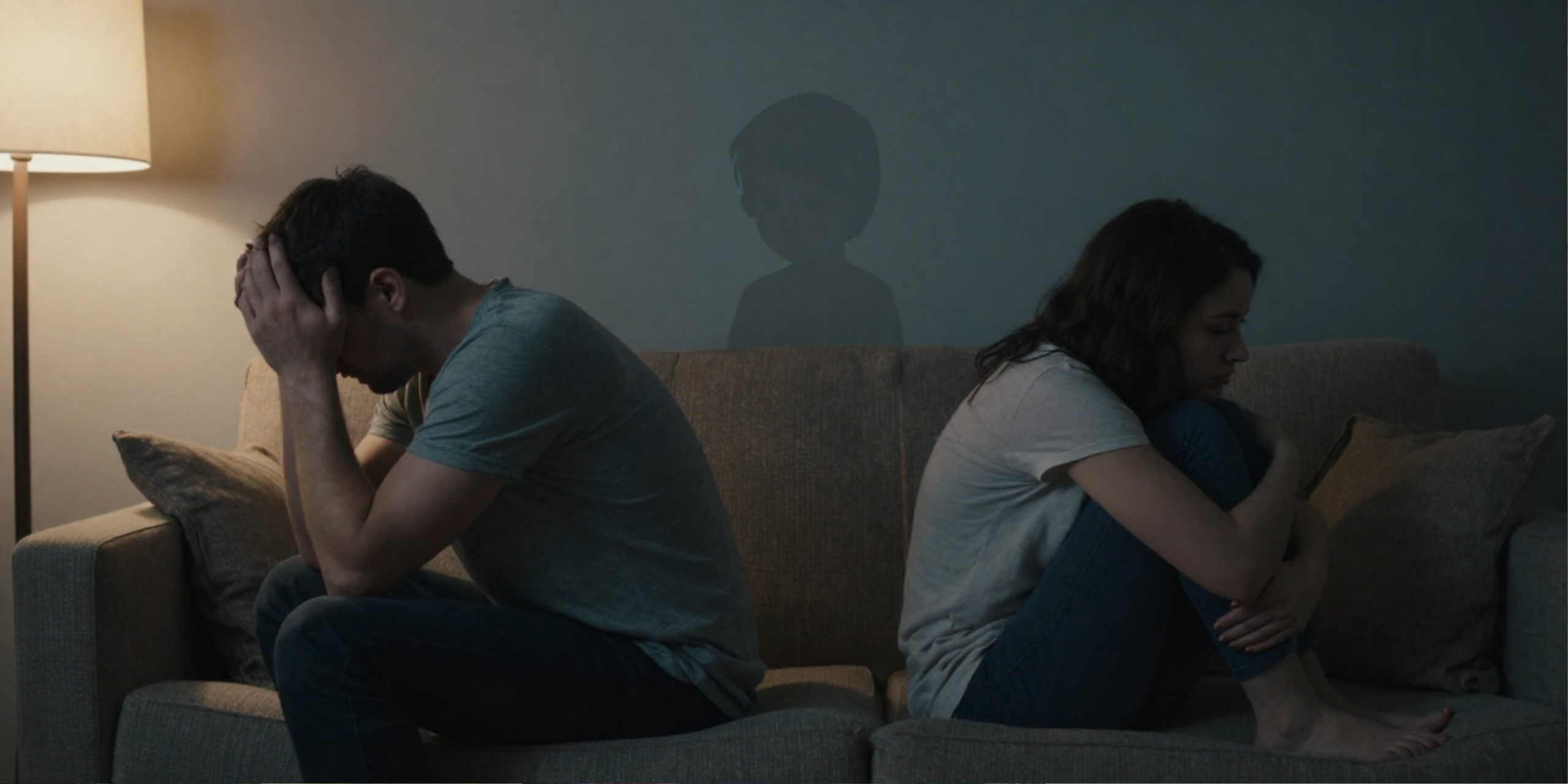
Childhood trauma in marriage is more common than many couples realize.
Many people enter marriage hoping for connection, security, and partnership. Yet unresolved experiences from childhood often follow us into adult relationships. These experiences can influence how we communicate, handle conflict, trust others, express emotions, and respond to stress.
If you and your partner keep having the same fight, struggle to communicate, or feel emotionally disconnected, childhood trauma may be playing a larger role than you think.
The encouraging news is that awareness and support can help couples break these patterns and build a healthier relationship.
How Childhood Trauma in Marriage Shows Up
Childhood trauma does not always involve a major event. It can include growing up with emotional neglect, inconsistent caregiving, criticism, conflict, abandonment, or feeling unsafe.
As adults, these experiences can show up as:
- Difficulty trusting your partner
- Fear of abandonment or rejection
- Anxiety in relationships
- Avoiding difficult conversations
- Struggling to express emotions
- Becoming defensive during conflict
- Feeling emotionally disconnected
- Difficulty accepting support or affection
Many couples tell me they keep having the same argument over and over. Often, the issue is not actually about dishes, finances, parenting, or household responsibilities.
The deeper issue is usually an emotional wound that has not fully healed.

Common Triggers to Watch Out For
Certain situations are particularly likely to activate old trauma responses in a marriage. Recognizing them is the first step.
1. Childhood Trauma and the Same Fight Repeating
One of the most frustrating experiences in a marriage is feeling stuck in the same conflict.
For example:
One partner says:
“You never listen to me.”
The other hears:
“I’m failing again.”
One partner withdraws.
The other pursues harder.
The cycle repeats.
From an Emotionally Focused Therapy (EFT) perspective, couples are often reacting to deeper fears beneath the argument.
Those fears may include:
- “I don’t matter.”
- “I’m not good enough.”
- “People always leave.”
- “I can’t depend on anyone.”
The argument becomes less about the topic and more about the emotional meaning attached to it.

RELATED: Feeling Emotionally Disconnected In Your relationship
2. Childhood Trauma and Trust Issues in Marriage
Trust can be especially difficult for someone who experienced betrayal, abandonment, criticism, or inconsistent care growing up.
They may:
- Expect disappointment
- Assume negative intentions
- Need frequent reassurance
- Struggle to be vulnerable
This can become even more challenging after infidelity or a significant breach of trust.
Healing requires patience, consistency, and emotional safety.
3. Childhood Trauma and In-Law Relationships
In-law dynamics can also trigger old wounds.
A comment from a parent-in-law may feel like criticism.
A disagreement about holidays may trigger fears of rejection.
A partner not setting boundaries with family may create feelings of being unprotected.
Often, couples find themselves arguing about in-laws when the deeper issue is actually feeling unsupported or unheard.
4. Childhood Trauma and Financial Stress
Money is one of the most common issues couples argue about.
For some people, financial stress activates childhood experiences related to:
- Scarcity
- Instability
- Lack of security
- Family conflict
One partner may become highly anxious about spending.
The other may avoid discussing finances altogether.
Understanding the emotional meaning behind money conversations can reduce conflict and increase empathy.
RELATED: Rebuilding Intimacy in Relationships
How to Heal Childhood Trauma in Marriage
Awareness is the beginning. If you recognize these patterns in your relationship, the most useful thing you can do is resist the urge to assign blame, including to yourself, and get curious instead.
Ask: what is this reaction actually about? What does my partner’s behavior make me feel, and where have I felt that before?
Also, learn to talk about feelings. Many people learned growing up that emotions were not safe to express.
Instead of saying: “You never care about me. “Try: “When this happens, I feel hurt and disconnected.”
How Esther Mensah Works with Couples on This
At Esther Mensah Counselling & Psychotherapy, two evidence-based approaches are used with couples navigating the impact of childhood trauma.
- The Gottman Method. I often use this Method to help couples rebuild trust and connection. It identifies the specific patterns driving conflict and gives couples concrete tools to interrupt those cycles, repair after arguments, and rebuild friendship and trust.
RELATED: EMDR Therapy for Trauma Recovery
Some helpful strategies include:
- Taking responsibility for your part
- Using gentle start-ups
- Making repair attempts during conflict
- Turning toward bids for connection
- Building daily rituals of connection

2. Emotionally Focused Therapy (EFT). This method goes deeper into the emotional experience underneath the conflict.
Rather than focusing only on the argument itself, we explore:
- What the experience means emotionally
- What fears have been activated
- What each partner needs to feel safe and connected
This often leads to conversations couples have never had before. EFT provides the safety and structure to have it anyway.
Together, these approaches help couples move from cycles of conflict and withdrawal toward genuine understanding and connection.
You Do Not Have to Keep Repeating the Pattern
Many couples believe their relationship problems started recently.
In reality, some of the pain may have begun long before the relationship ever existed.
That does not mean you are broken. It does not mean your marriage is doomed.
It means there may be old wounds asking to be understood.
When couples learn to recognize those wounds with compassion rather than blame, new conversations become possible. And often, those conversations become the beginning of healing.
With the right support, couples can break cycles that have gone on for years and build something that actually feels safe.
Esther Mensah Counselling & Psychotherapy offers trauma-informed couples therapy in London, Ontario and virtually across Ontario.
Book a consultation today.
.webp)